
"cat search"
200 article(s) found
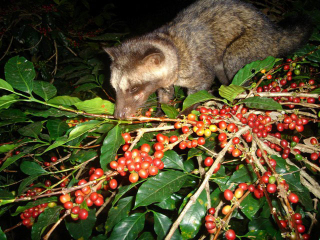
Is Kopi Luwak really cat shit? Description of the flavor and taste of cat poop coffee beans
Professional coffee knowledge exchange more coffee bean information Please pay attention to coffee workshop (Wechat official account cafe_style) Coffee is a kind of crop, the common treatment methods are washing, tanning, honey treatment, etc., the coffee produced by good quality, good flavor, is a very good coffee. But in recent years, there has been a

Introduction to the extra thick and mellow Indonesian civet coffee manor with special flavor and taste
Kopi Luwak is produced by the feces of Indonesian coconut cats (a kind of civet) as raw materials, so it is called Kopi Luwak. This kind of animal mainly feeds on coffee beans. After completing fermentation in the coconut cat's stomach, it destroys proteins, produces short peptides and more free amino acids, reduces the bitterness of coffee, and then excretes feces as the main raw material. Because coffee beans cannot be digested, they will be

Introduction to the delicious taste of Kopi Luwak from Bali, Indonesia.
A kind of animal excrement called civets (this animal is commonly known as civets in Indonesia), although it comes from smelly poop, it is full of sweetness and indescribable sweetness. The wild civets like to eat fat, pulpy coffee fruits, but the hard hard nuts (raw beans) are indigestible and are excreted with feces. After being cleaned, they become Kopi Luwak coffee.
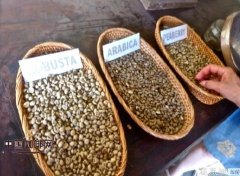
Why is Indonesian cat poop coffee so expensive?
Expensive: Cat poop coffee is the world's least produced coffee, a bag of 50 grams of coffee beans worth 1500 yuan, only 3- 4 cups of coffee. In translation, a cup sells for about 400 yuan. The global annual production does not exceed 400 kg. Villagers in these areas now collect not only wild ruaka waste but also caged ruaka. Big pots of good coffee cherries picked

Introduction to the Fine Coffee Bean Flavor Manor in Bali, Indonesia
The coffee comes from the excrement of an animal called the civet (commonly known as the civet in Indonesia). Although it comes from smelly poop, it is full of sweetness and a burst of indescribable sweetness. This wild musk cat likes to eat fat, pulpy coffee fruit, but the hard hard nut (raw bean) cannot be digested. It is excreted with feces and becomes Kop after cleaning.

Sources of Kopi Luwak, main features of Kopi Luwak
Follow caf é (Wechat official account vdailycom) found that Beautiful Cafe opened a small shop Kopi Luwak, produced in Indonesia. In the early 18th century, the Dutch established coffee plantations in the Indonesian colonies of Sumatra and Java, and banned locals from picking and eating their own coffee fruits. Locals living in Indonesia also inadvertently found musk.
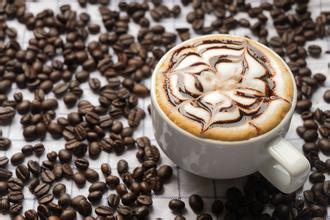
Coffee beans from Bali, Indonesia introduce the processing methods of fine coffee
The coffee comes from the excrement of an animal called the civet (commonly known as the civet in Indonesia). Although it comes from smelly poop, it is full of sweetness and a burst of indescribable sweetness. This wild musk cat likes to eat fat, pulpy coffee fruit, but the hard hard nut (raw bean) cannot be digested. It is excreted with feces and becomes Kop after cleaning.

Vienna "Coffee Center"
I found four cat cafes on Montsio Street in Barcelona, and tourists kept stopping at the door to look at the small facade of the cafe and the poster by Ramon Casas. A middle-aged woman was in charge of guiding the tourists to their seats, giving a very brief introduction to the history of the cafe.

Introduction to the characteristics and flavor of musk cat coffee manor which is still mellow in taste
Kopi Luwak, produced in Indonesia, is one of the most expensive coffee in the world. Indonesia grows a lot of coffee crops, including wild animals called civets, omnivores, pointed mouths and dark gray fur. The favorite food is fresh coffee beans, which are fermented and digested in the body and eventually excreted by cats. Feces are just grains of coffee beans.

La Souna Vahana Manor introduces boutique coffee beans
1. After Indonesians remove the silver-gray film on the appearance of coffee beans, wash them with water, dry them in the sun, and then stir-fry them, they become cat shit coffee beans. 2. Only about 150 grams of coffee beans can be extracted from a jin of civets' feces, which will cause 20% loss in the baking process. Due to the unique raw materials and processing technology, this kind of coffee can be said to be very rare and supplied every year.
Tourists love Vienna's "Coffee Center"
On Montsio Street in Barcelona, I found the Four Cats Cafe, where tourists stopped at the entrance to examine the cafe's small front door and the poster of Ramon Casas, and a middle-aged woman guided them to their seats, giving a very brief history of the cafe. Many tourists come for Picasso. 1899, age 17.

Introduction to the characteristics of the method of describing the taste and flavor of Indonesian Manning coffee
Due to the very humid climate in Indonesia, coffee drying time is often about 40% longer than in other areas, so local coffee farmers independently invented the wet planing method, which can make coffee beans ferment more completely and dry quickly. Today, I will not talk about the wet planing method. I remember that @ coffee knowledge has been published, and Maoye seems to have talked about Wechat in the past, so everyone himself

Foreign Coffee City Vienna "Coffee Center"
On Montsio Street in Barcelona, I found the Four Cats Cafe, where tourists stopped at the entrance to examine the cafe's small front door and the poster of Ramon Casas, and a middle-aged woman guided them to their seats, giving a very brief history of the cafe. Many tourists come for Picasso. 1899, age 17.
Vienna's "Coffee Center" tourist attraction
On Montsio Street in Barcelona, I found the Four Cats Cafe, where tourists stopped at the entrance to examine the cafe's small front door and the poster of Ramon Casas, and a middle-aged woman guided them to their seats, giving a very brief history of the cafe. Many tourists come for Picasso. 1899, age 17.
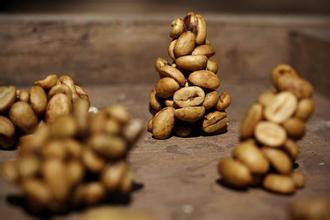
Civet coffee Indonesian coffee one of the most expensive coffee in the world
Civet Coffee (Kopi Luwak), native to Indonesia. It is one of the most expensive coffee in the world, with a price of several hundred dollars per pound. It is extracted from the feces of the civet and processed. The civet eats the ripe coffee fruit and is excreted through the digestive system. After it is fermented through the stomach, the coffee produced has a special taste and has become a grab in the international market.
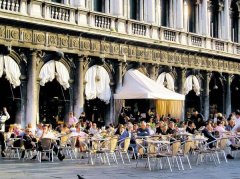
What do you want in a cup of coffee?
Caff Florian is in Venice's Piazza San Marco, on Barcelona's Montsio Street, and I found the Four Cats, and tourists kept stopping at the door to look at the little door and the poster by Ramon Casas, and a middle-aged woman guided them to their seats and introduced them very briefly.
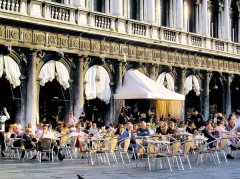
What do you want in a cup of coffee?
Vienna is said to have more than 600 cafes, but visitors prefer to go to Café Central, where stories are greatest.
Boutique Coffee Common sense "Coffee Center" in Vienna
I found four cat cafes on Montsio Street in Barcelona, and tourists kept stopping at the door to look at the small face of the cafe and the poster of Ramon Casas. A middle-aged woman was responsible for guiding the tourists to their seats one by one, giving a very brief introduction to the history of the cafe. Many tourists come for Picasso. 1899, 17 years old.

The coffee shop appreciates the "Coffee Center" in Vienna
I found four cat cafes on Montsio Street in Barcelona, and tourists kept stopping at the door to look at the small face of the cafe and the poster of Ramon Casas. A middle-aged woman was responsible for guiding the tourists to their seats one by one, giving a very brief introduction to the history of the cafe. Many tourists come for Picasso. 1899, 17 years old.

The Coffee Center in the coffee city of Vienna
I found four cat cafes on Montsio Street in Barcelona, and tourists kept stopping at the door to look at the small face of the cafe and the poster of Ramon Casas. A middle-aged woman was responsible for guiding the tourists to their seats one by one, giving a very brief introduction to the history of the cafe. Many tourists come for Picasso. 1899, 17 years old.